Water Damage Restoration Valley Village, CA
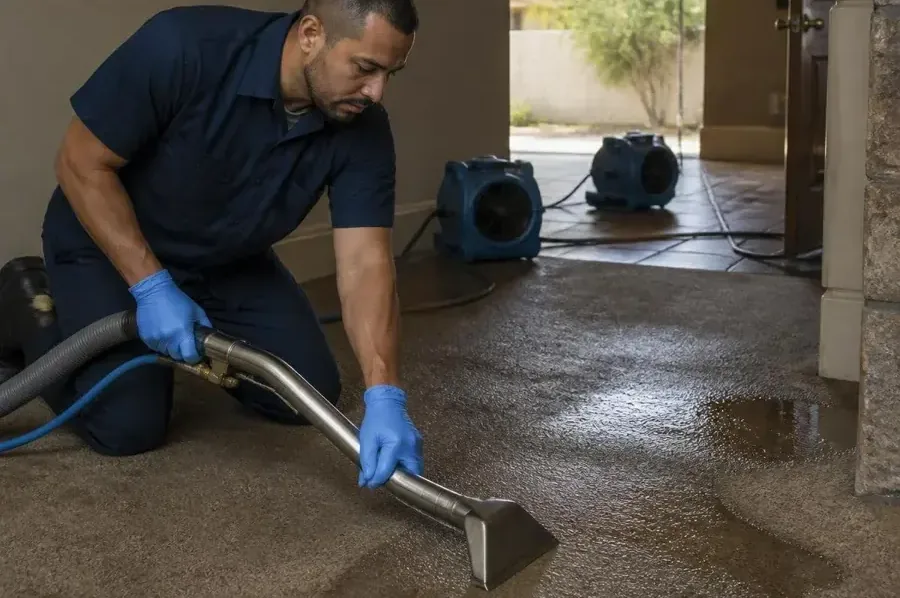
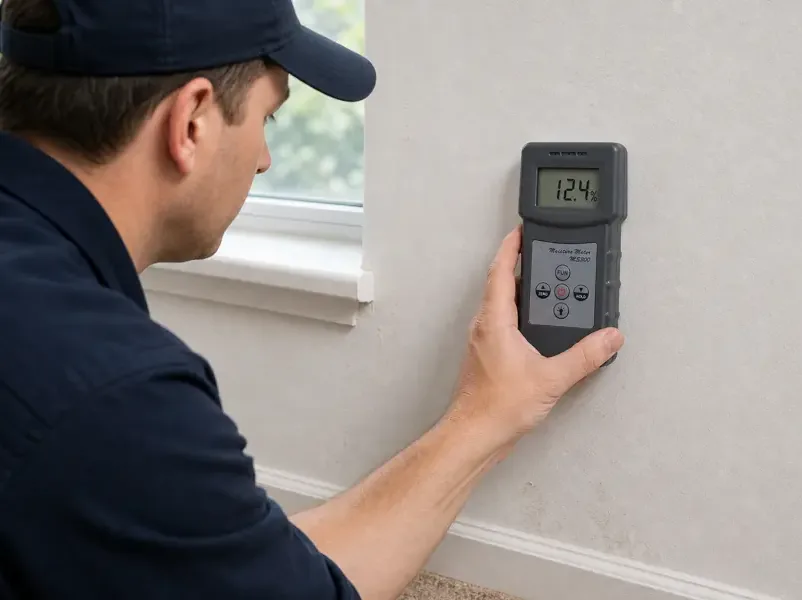
Water moves through floor layers and wall cavities before every wet spot becomes visible. The restoration team traces the source, extracts standing water and measures the structure through the dry-out.
(888) 578-6508 Describe the water damageA clear source, a measured wet boundary and documented drying support the next repair decision.
From the visible puddle to the concealed moisture
A cleanup plan should explain what got wet, which materials can remain and how the drying goal will be checked. The technician starts with inspection instead of treating every room as the same loss.
What to do while the water is still moving
- Avoid electrical contact. Residents stay clear of wet outlets, appliances and standing water near energized equipment.
- Isolate a known supply. The owner closes an accessible shutoff only from a safe, dry position.
- Protect the room boundary. The household keeps children and pets away from wet or contaminated spaces.
- Record visible conditions. An occupant photographs the source and affected rooms safely, without delaying urgent source control.
- Coordinate building access. A manager arranges entry below an upper-floor release when the water path suggests further spread.
Water Damage Restoration Services in Valley Village, CA
The source determines the first decision. Select the affected area or cause for cleanup steps, material considerations and a service-specific cost range before planning repairs.
 Water ExtractionStanding water comes out first, with checks beneath floor coverings and along hidden room edges.See water removal steps
  Slab Leak Water DamageWet concrete can need attention after a plumber stops the hidden supply leak beneath the floor.Plan drying below the floor
  Sewage Backup CleanupWaste contact changes the plan to containment, porous-material removal and cleaning before structural drying.Review sewage cleanup
  Burst Pipe Water DamageA pressurized release can travel inside a wall and reach rooms beyond the first visible puddle.Trace a pipe release
  Storm Flood CleanupOutside water requires a source assessment before crews decide which indoor finishes can remain.Assess floodwater damage
  Roof Leak Water DamageRain entry can leave damp insulation and framing above a ceiling that has stopped dripping.Check rain entry and drying
  Ceiling Leak Water DamageOverhead stains need safe inspection of the source room, wet cavity and adjoining wall junctions.Inspect overhead moisture
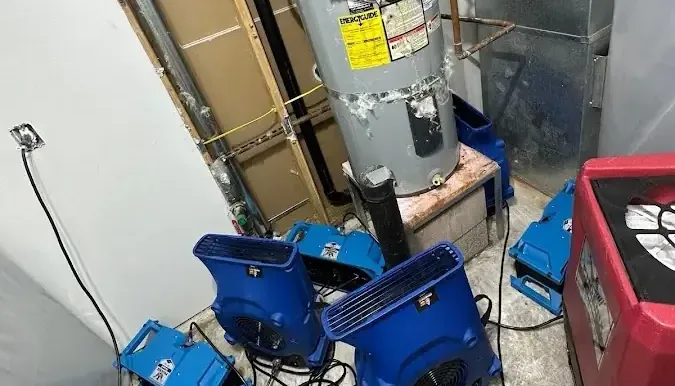
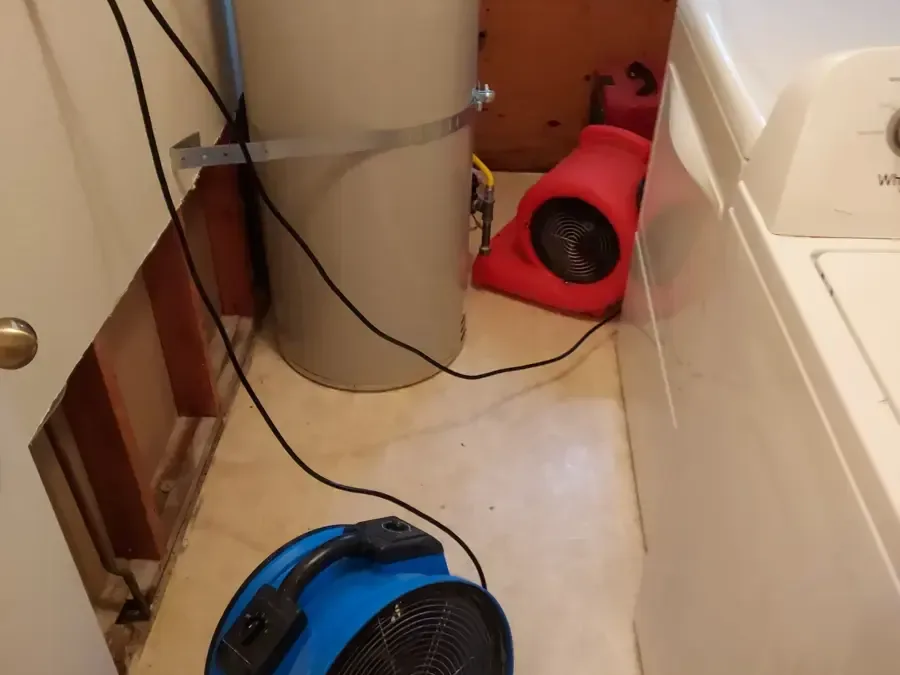
  Water Heater Leak CleanupThe tank area may hide water in a platform, nearby partition or storage space after extraction.Follow a tank spill
  Appliance Leak Water DamageCabinet bases and floor layers can stay wet behind a repaired dishwasher, washer or refrigerator.Find hidden appliance water
  Crawl Space Water RemovalA raised-floor space needs safe access, pumping and measurements of retained underfloor materials.Plan underfloor water removal
  Structural DryingRepeat material readings and controlled humidity show whether the retained structure is progressing toward its goal.Understand the drying goal
  Commercial Water DamageManagers need a defined work area, authorized access and a documented list of tasks before reopening.Coordinate business recovery
  Toilet Overflow CleanupA clean supply spill differs from waste-bearing bowl overflow, especially when water reaches adjoining carpet.Compare overflow sources
  Hardwood Floor Water DamageBoard movement and subfloor moisture guide recovery decisions before sanding or replacement conceals the assembly.Review wood floor recovery
 Why Valley Village homeowners call for water damage help
Rapid local response
Water damage assistance operates 24/7. The responding contractor confirms access, source status and availability for the affected property.
IICRC S500 drying standard
The drying team uses material readings and suitable dry comparisons to evaluate progress through the retained structure.
Claim-ready documentation
Photographs, removal notes and daily measurements explain the work while the insurer evaluates the actual policy and cause.
Local water experts
The inspection accounts for neighborhood houses and boulevard apartments, including access below an upstairs release when the evidence calls for it.
Water damage dried to the IICRC S500 standard
Liquid removal is the beginning of recovery. The drying technician checks what remains inside the assembly, balances air movement with dehumidification and records the conditions that support each equipment decision.
- 1
Locate the wet assembly
The technician maps affected walls, floor layers and accessible cavities, identifying the source category and any safety restrictions before equipment placement.
- 2
Remove water and unsuitable material
The crew extracts liquid and explains which damaged or contaminated layers require removal before retained structural materials can dry effectively.
- 3
Measure the moisture trend
Repeat readings at consistent points show progress and reveal areas that need better access, different equipment placement or another source check.
- 4
Prepare the repair handoff
The contractor records retained-material conditions and remaining limits so the owner can schedule reconstruction and any product-specific flooring tests.
All water damage categories covered in Valley Village, CA
Clean supply water
A fresh supply release may allow some materials to dry in place after prompt source control and inspection.
Examine extraction optionsUsed water
Appliance discharge or other used water needs a contact assessment before the crew decides which absorbent finishes can remain.
Check appliance-loss decisionsSewage and outside contamination
Waste-bearing water requires separation, affected porous-material removal and cleaning of retained surfaces before drying.
Review contaminated-water cleanupWhat does water damage restoration cost in Valley Village, CA?
Water damage restoration commonly ranges from $1,000 to $7,500 for residential mitigation. A small clean-water room differs from contaminated water across several assemblies; source repair and reconstruction may add separate costs.
Contained room
$1,000 to $2,000
- Source and moisture assessment
- Focused water removal
- Limited drying equipment
Several wet areas
$2,000 to $4,500
- Floor and wall-layer checks
- Necessary material access
- Repeat progress measurements
Extensive material contact
$4,500 to $7,500
- Broader removal and cleaning
- More equipment and monitoring
- Detailed repair handoff
Water category, affected area, access and delay change the scope. Compare those inputs in the water damage cost calculator, then ask the contractor to separate mitigation, source repair and replacement finishes.
Documentation for your insurance claim
The restoration contractor documents observed damage and the work performed. The owner keeps that record with the source-repair findings so the insurer can evaluate distinct parts of the loss.
- Safe photographs before material removal changes the scene
- Room-by-room moisture maps and material descriptions
- Daily readings with relevant temperature and humidity conditions
- Reasons for removal, cleaning and equipment adjustments
- An itemized scope separating mitigation from finish replacement
Check the policy itself
An insurer may treat a sudden supply release, outside flooding and a sewer backup differently. The owner checks exclusions, deductibles and endorsements directly with the insurer.
The claim record should include source photographs, moisture readings and an itemized account of the work. The insurer reviews that record alongside the policy terms when deciding coverage and payment.
Water damage help across Valley Village
Local streets and drainage context
ZIP coverage
Additional service areas
One call reaches Valley Village water damage pros, 24/7
The response starts with the affected rooms, the source status and safe access. A property manager can coordinate entry when water has traveled through shared building spaces.
The neighborhood is part of Los Angeles in the San Fernando Valley. Service descriptions follow the building's actual materials, not an assumed foundation or plumbing type.
Valley Village, CA · [email protected]
View the complete service area(888) 578-6508 Describe the water damageWhat a water damage dry-out looks like in Valley Village
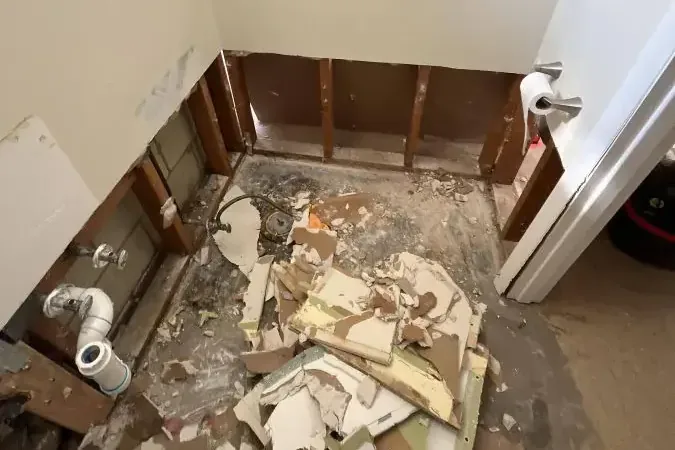
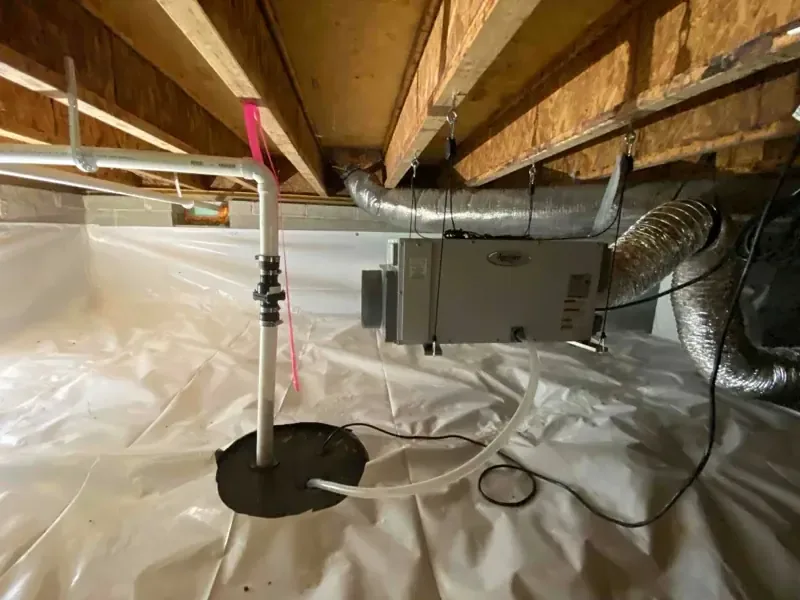
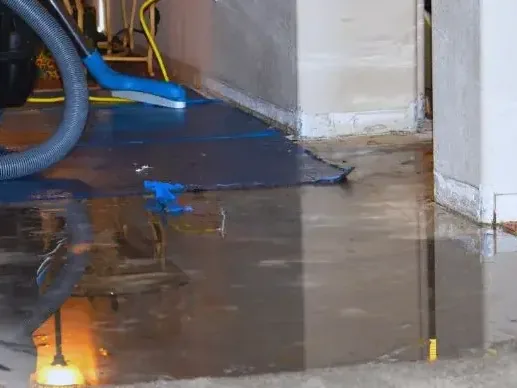
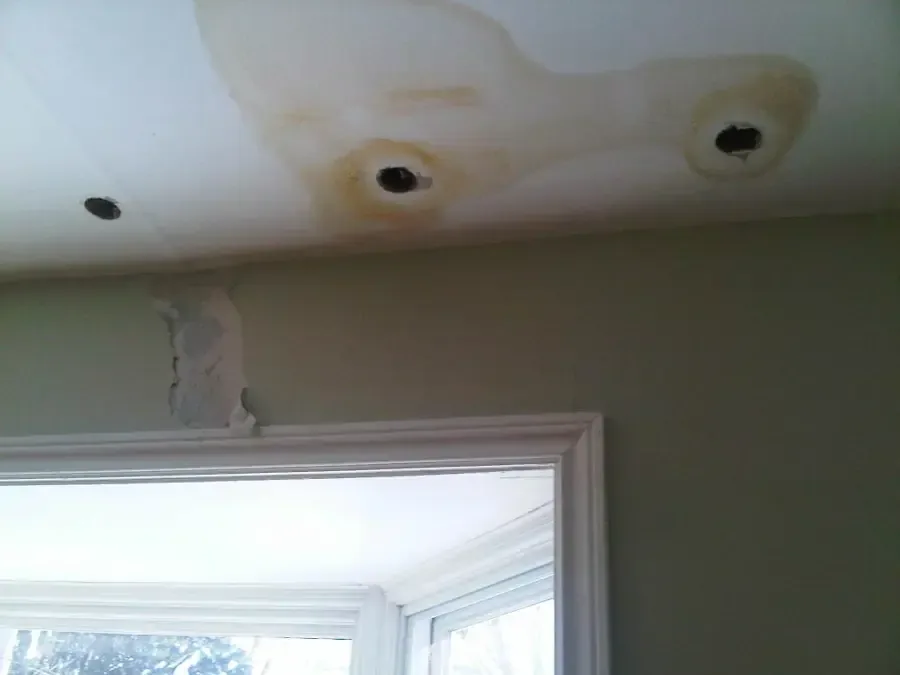
Local conditions that shape the inspection
Valley Village combines single-story houses with apartments and condos along its boulevards. The building layout changes where a technician looks for moisture, while the source and readings determine the cleanup.
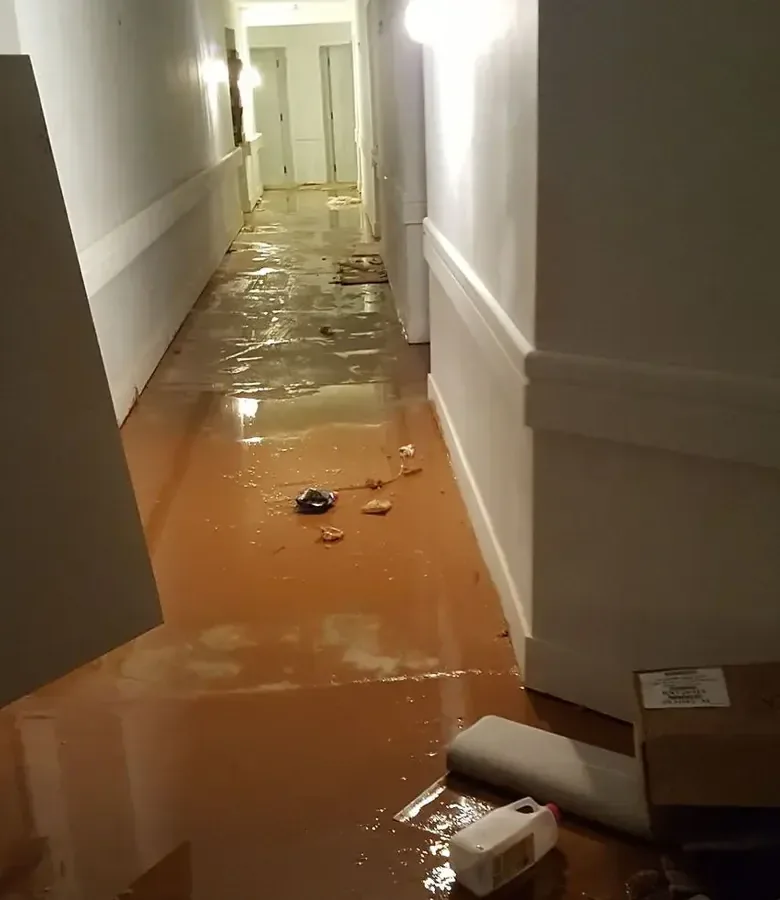
March 21, 2016: A public-main break flooded Laurel Canyon Boulevard near La Maida Street. LADWP shut off the main and restored water service after the roadway release.
Stacked apartment rooms
A reported Colfax Avenue pipe break affected four units beneath the source, supporting inspection below an upstairs release when access and evidence warrant it.
Different house assemblies
Spanish and ranch-style homes require inspection of their individual floor assemblies. The crew confirms slabs, raised floors and additions at the property.
Boulevard properties
Commercial and residential spaces may need coordinated access. The manager identifies authorization, shared routes and any lower rooms that require inspection.
Tujunga Wash context
The wash marks a neighborhood boundary. An owner checks the parcel flood map separately, while the technician investigates the actual source of indoor water.
Concealed floor edges
Water can travel beneath a covering or cabinet before appearing in the room. Material checks follow the actual path rather than only the visible puddle.
Water damage restoration questions in Valley Village
What should happen before water cleanup starts?
The source needs safe isolation and the affected area needs a hazard assessment. Residents avoid wet electrical equipment and unstable ceilings. The restoration technician then checks the water category and moisture boundary before choosing extraction, removal and drying methods.
Does a dry-looking floor mean the loss is finished?
No. Water can remain beneath the finish, in padding or inside adjacent wall edges. The drying crew measures retained materials and compares suitable dry areas. The completion decision follows readings from the wet layers, including accessible padding, subfloor and wall edges.
Why might an upstairs leak affect another unit?
Water can follow penetrations and floor assemblies. The reported Colfax Avenue incident involved stacked apartments, so a manager should arrange appropriate access when the water path suggests spread. The contractor documents actual room readings instead of assuming every neighboring unit is damaged.
Can every wet material stay in place?
The contractor evaluates contamination, physical damage and drying access. Some promptly addressed clean-water materials can remain. Sewage-contacted porous finishes generally require removal. The scope should explain the decision for each assembly rather than promise universal recovery or automatic demolition.
Who repairs the source of the water?
A plumber, roofer or other appropriate professional handles the source according to the problem. The restoration team addresses water and affected building materials. The owner should confirm those responsibilities separately so emergency cleanup is not mistaken for a complete source repair.
How long does structural drying take?
The time depends on absorbed water, materials, access and the drying environment. A contained loss can progress faster than dense concrete or a concealed assembly. The contractor tracks readings and adjusts the plan rather than promising completion on a fixed calendar.
What should an owner keep for insurance?
Safe discovery photographs, source findings, removal notes and drying records help describe the loss. An itemized scope separates mitigation from plumbing and finish repairs. The insurer evaluates coverage under the actual policy, including any flood or sewer-backup provisions.
Is water damage assistance available at night?
Assistance is available 24/7. The caller should explain the source status, affected spaces and access restrictions. The responding contractor confirms availability and the proposed work; the property should remain protected from electrical or structural hazards while arrangements are made.
A clearer plan starts with the source
Describe which rooms are wet, whether water is still entering and any electrical, ceiling or access concerns before the contractor defines the work.
(888) 578-6508 Talk through the affected roomsMake the next repair decision with a measured drying record
The restoration team traces water, explains material decisions and documents the retained structure before repairs conceal it.
(888) 578-6508 Arrange a room-by-room assessment